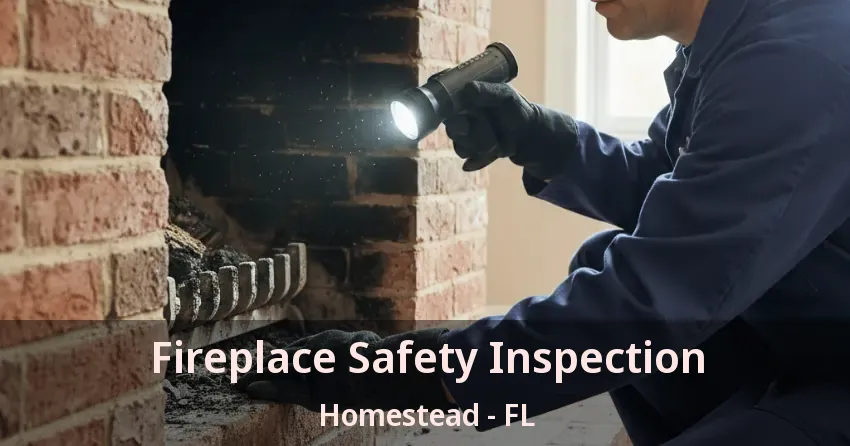
Fireplace Safety Inspection Homestead is the simplest way to enjoy your fireplace without second guessing what you cannot see. Air Duct Cleaning Homestead checks the details that protect your home, so your next fire feels relaxing, not risky.
A fireplace can look fine and still have a draft problem, a venting gap, or heat exposure where it does not belong in Homestead. Air Duct Cleaning Homestead approaches fireplace safety inspection like a true safety review, focused on how the system operates as a whole. You get straightforward findings, practical guidance, and a clear sense of what is safe to use right now around Homestead. If you are the kind of homeowner who likes certainty before you flip a switch or strike a match, this service is built for you.
The Problems That Do Not Show Up From The Front
Many hazards live beyond the opening, where normal cleaning and quick checks cannot reach in Homestead. Draft can weaken slowly, joints can shift, and tiny gaps can start letting byproducts drift into the home. Air Duct Cleaning Homestead looks for the patterns that indicate risk, even when the fireplace still "works."
A fireplace also interacts with the room around it in Homestead. Pressure changes from exhaust fans, closed doors, or HVAC cycling can influence how the fireplace pulls air and vents. That is why we pay attention to the full environment, not just the firebox, especially in homes that have been updated over time.
What Fireplace Safety Inspection Homestead Actually Covers
A Fireplace Safety Inspection Homestead is not a quick glance and a thumbs up. It is a structured check of heat containment, venting performance, and safe operation, explained in plain language for Homestead homeowners. The goal is to confirm what is safe, identify what is drifting, and help you avoid guessing.
Firebox Integrity And Heat Boundaries
We start with what contains the fire, because that is the core safety line in Homestead. We look for cracking, separation, damaged panels, failing seams, and any sign that heat is traveling into areas that should stay cooler. If something is worn in a way that could change safety, we document it and explain what it can lead to.
We also look at soot and discoloration patterns, because those surfaces often tell the real story in Homestead. When burn patterns suggest airflow problems or unstable combustion, that is a signal worth addressing before you keep using the unit.
Venting Route Condition And Draft Behavior
Draft decides whether smoke and fumes go out or come back into the living space in Homestead. We check for restriction, disconnection points, loose areas, and evidence of leakage along the venting path. When the venting route is not behaving as it should, we focus on the cause, not vague warnings, so Homestead homeowners can act confidently.
We also consider how the home's airflow might be affecting performance in Homestead. Fans, tight building envelopes, and return air behavior can influence draft in subtle ways. This is where whole-home airflow awareness matters, because an inspection should match how your home actually runs in Homestead.
Clearances And Surrounding Safety Zone
Safe operation depends on what sits near the fireplace, not just what sits inside it in Homestead. We look at surrounding trim, mantels, wall finishes, hearth area setup, and anything nearby that can trap heat. If furniture, décor, or storage habits are pushing too close, we explain what to move and why it matters.
This portion of the inspection often produces quick, practical improvements for Homestead homeowners. Small spacing changes can reduce heat buildup, protect finishes, and make the space easier to use safely without changing the look of the room.
Why Fireplace Safety Inspection Homestead Pays Off For Homeowners
Fireplace safety inspection is about preventing the kind of surprise that ruins an evening in Homestead. Smoke odor, soot residue, and headaches from poor venting are not just inconveniences, they are signals that the system may not be operating safely. A Fireplace Safety Inspection Homestead helps you catch those issues before they show up during use.
It also helps you plan, because not every finding requires the same urgency in Homestead. You will know what is safe today, what should be handled soon, and what can be monitored with smart habits. That clarity is what keeps decisions calm, especially when you want to use the fireplace more often around Homestead.
Clues That Suggest Your Fireplace Needs A Closer Look
If something feels "off," it usually is, even if the fireplace still starts and runs in Homestead. Odor in the room, soot marks near the opening, or a fire that struggles to draft can all point to restrictions or venting issues. When those clues appear, a Fireplace Safety Inspection Homestead provides a grounded answer for Homestead homeowners.
Changes in the home can also change fireplace behavior in Homestead. New windows, added insulation, different fans, or HVAC updates can shift pressure patterns in ways you will notice only when the fireplace is running. If the home has changed since the last time the fireplace was used heavily, a reset inspection is a smart move around Homestead.
What We Commonly Uncover That Homeowners Miss
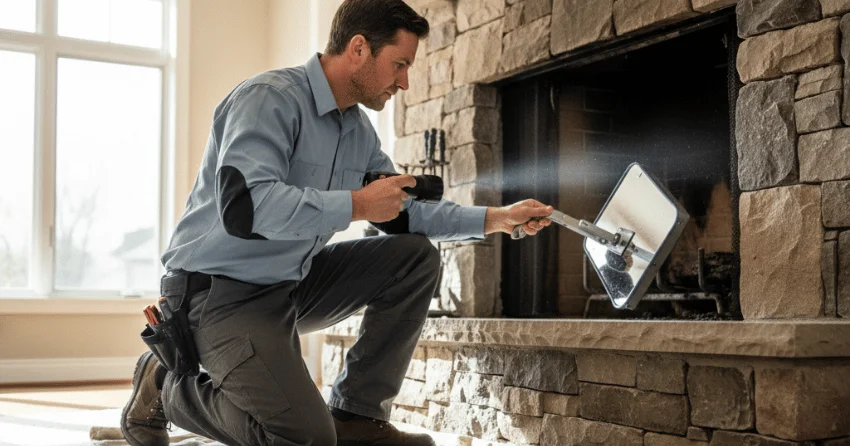
A partial obstruction is one of the most common "hidden" problems, because you cannot see it from the room in Homestead. It might be debris, buildup, or a narrowing in the vent path that quietly reduces draft. Over time, that restriction can increase smoke spillage risk and create residue patterns that look like general dirt.
We also find small venting gaps that allow byproducts to escape into spaces that were never meant to receive them in Homestead. Those gaps can develop from age, shifting, or prior work that was not sealed properly. Catching that early matters, because it protects indoor comfort and reduces long-term damage risk.
Finally, we often see safety zone issues that are easy to fix once identified in Homestead. Items placed too close, crowded mantels, or blocked airflow paths can create heat stress in places that should stay stable. Correcting those habits improves daily safety without making the room feel restricted in Homestead.
How Air Duct Cleaning Homestead Runs The Appointment
We keep the visit simple, structured, and respectful of your space in Homestead. Air Duct Cleaning Homestead starts by understanding your fireplace type and how you use it, then we follow a consistent check path so nothing important gets skipped. You will always know what we are checking and why it matters around Homestead.
- Confirm fireplace type, usage pattern, and any symptoms you have noticed in Homestead
- Review visible condition at the opening and the surrounding safety zone
- Evaluate venting route integrity and draft-related risk factors
- Check operating behavior and basic safety controls that apply to your unit
- Provide a clear summary of findings and practical next actions for Homestead
We keep our guidance direct, because the goal is safety you can act on. You receive plain-English findings, not a confusing list of maybes, and the recommendations are based on what we actually observe in Homestead.
Fireplace Types And How The Inspection Focus Shifts
Not every fireplace behaves the same, and the inspection should reflect that in Homestead. Air Duct Cleaning Homestead adjusts the evaluation points depending on whether your unit is gas, wood burning, or electric. The goal stays the same across Homestead, confirm safe operation and identify what could compromise it.
Gas Fireplace And Insert Systems
Gas units can appear clean while venting or performance is drifting in Homestead. We pay attention to ignition behavior, stability during operation, and signs that venting integrity may be compromised. If something suggests a risk, we explain it with context, so Homestead homeowners know what it means and what to do.
Heat boundaries still matter with gas systems in Homestead. We review the surrounding setup and how the room is arranged, because placement habits can create stress points over time. This is where safe-clearance coaching often makes a big difference.
Wood Burning Fireplaces
Wood burning fireplaces rely heavily on strong draft and a clean vent path in Homestead. We focus on damper behavior, residue patterns, and any sign that smoke is not traveling upward as it should. When draft is weak, the system can become unpredictable, which is exactly what Homestead homeowners want to avoid.
We also connect findings to how the fireplace is used in Homestead. Wood quality, loading habits, and airflow conditions can all influence residue and draft behavior. The goal is not to lecture, it is to help you build a predictable routine around Homestead.
Electric Fireplaces
Electric fireplaces do not vent the same way, but safety is still real in Homestead. We focus on placement, heat exposure near nearby materials, and basic electrical safety behavior. In many households, risk comes from how the unit is used day to day, not from the unit itself.
We keep this practical, because homeowners want an easy checklist they can follow. A better layout, safe spacing, and mindful use habits go a long way toward keeping an electric fireplace comfortable and low-stress around Homestead.
How Fireplace Safety Inspection Homestead Supports Cleaner Indoor Living
A fireplace can influence indoor comfort even when it is used only occasionally in Homestead. If venting is compromised, particles and odors can move into living spaces, and that can make the room feel heavy after use. A Fireplace Safety Inspection Homestead helps you spot the conditions that create that outcome.
Airflow and pressure also play a role in how the fireplace "feels" in the home in Homestead. When the room is under negative pressure, draft can weaken and smoke can hesitate before venting. That is why we look at conditions that influence pull, especially in Homestead homes with strong exhaust fans or tighter construction.
If you want to schedule a visit, it is easiest to work it into your day when you contact us and share your fireplace type in the message. If phone coordination is simpler, you can include (786) 938-5566 in that same note when you contact us so we can confirm the details quickly.
What You Receive After The Inspection
You should leave the appointment knowing exactly where you stand in Homestead. Air Duct Cleaning Homestead summarizes what we checked, what we found, and what matters most right now. We separate safety concerns from maintenance items, so homeowners can prioritize without stress around Homestead.
You also get guidance you can use between visits in Homestead. That includes what to watch for, how to keep the safety zone clear, and which changes should trigger another check. The goal is long-term confidence, not a one-time conversation around Homestead.
If follow-up service is recommended, we explain the reason clearly and keep the tone grounded in Homestead. We operate with no-pressure guidance, because the right decision is the one that fits your home and your timeline.
Smart Ways To Prepare The Space
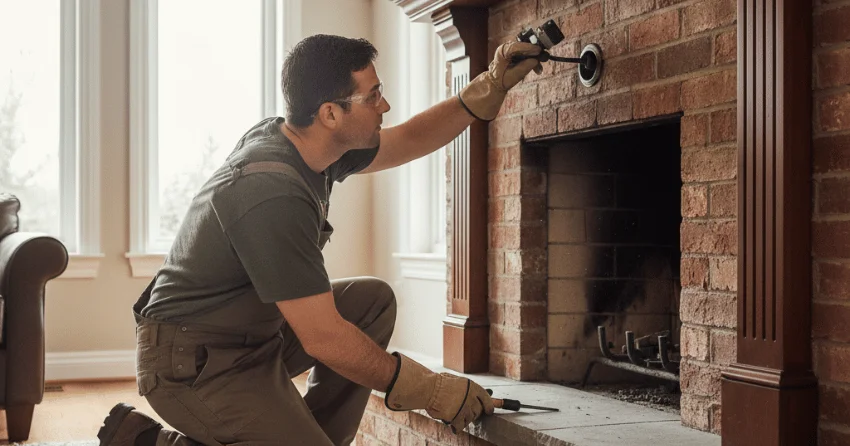
You do not need to overthink prep, but a small reset helps the inspection go smoothly in Homestead. Clear access lets us evaluate what needs evaluation without moving a lot of personal items. Most Homestead homeowners can get ready quickly.
- Open Up Access To The Hearth so the area is easy to assess
- Move Heat Sensitive Decor Away from the immediate surround
- Gather Any Notes About Changes you have noticed since last season in Homestead
Notice the city token appears only once in the list, because lists should stay clean and not feel stuffed. The main goal is simply to make the space easy to work in, so the inspection stays focused in Homestead.
Between Visit Habits That Keep Safety On Your Side
Safety is not only about what happens on inspection day in Homestead. It is also about keeping the safety zone clear, using the fireplace consistently, and paying attention to small changes before they become bigger ones. If something shifts, like odor after use or a new soot mark, treat it as information, not a nuisance around Homestead.
The best habit is to avoid forcing a fireplace to run when it is giving you warning signs in Homestead. When draft feels weaker than usual or the room reacts differently, it is smarter to pause and verify than to keep burning and hope it resolves. A Fireplace Safety Inspection Homestead gives you an answer you can trust, which is exactly what Homestead homeowners want when the goal is safe comfort.